Author: <span>nicky</span>

Spend more time with your children and improve their confidence

In today’s competitive world, sleep is more of a luxury than a necessity. Sleep is important for the well being, both emotionally and physically for an individual. Insufficient sleep or no sleep has long lasting health and psychological disorders. If you have been experiencing insomnia, it may be due to a number of factors, including stress, anxiety or depression. In order to address your sleep problem, it is best to consult an experienced psychologist who can help you change your behaviour, manage feelings and emotions that may interfere with your sleep.

How to improve your memory?

It has been believed for centuries that as we grow older, our brain functions continue to deteriorate, which also impacts and weakens our memory. However, recent medical researches and experiments have proved that our brain has the ability to grow new neurons, even as we age, a process known scientifically as neuroplasticity. The mental health of a person depends vastly on how active the person is – physically and mentally. If you keep forgetting things too quickly, or have noticed a sharp decline in your mental health in terms of memory recently, it is time to make some really important changes in your lifestyle to help sharpen and improve your memory.

Read more

Ways to help your children develop self-esteem and confidence

Self-esteem and confidence are major traits in individuals that affect their success. While these are a lifelong process, the foundation of it needs to be established in early childhood. Building self-esteem will allow the child to deal with difficult situations that they will encounter during their lifetime. Since parents have the greatest influence on a child’s belief, it is important for them to let their child know where they belong, how well they are doing and contribute towards developing confidence and self-esteem.

Read more

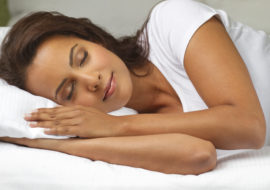
How to get a good nights sleep?

In today’s competitive world, sleep is more of a luxury than a necessity. Sleep is important for the well being, both emotionally and physically for an individual. Insufficient sleep or no sleep has long lasting health and psychological disorders. If you have been experiencing insomnia, it may be due to a number of factors, including stress, anxiety or depression. In order to address your sleep problem, it is best to consult an experienced psychologist who can help you change your behaviour, manage feelings and emotions that may interfere with your sleep.

Read more

The most common symptoms of depression are low mood, loss of interest in previously enjoyed activities, and reduced energy and activity levels.  Other symptoms include:

  • Reduced concentration and attention
  • Poor self confidence and self esteem
  • Negative thoughts, often centred around guilt, self-blame, worthlessness or hopelessness
  • Disturbed sleep (problems going to sleep or waking earlier than usual)
  • Appetite changes (either reduced or increased appetite)
  • Tiredness
  • Anxiety
  • Loss of sex drive
  • In severe depression, thoughts of self-harm or suicide

For a diagnosis of depression to be made symptoms should be present every day for at least two weeks, and the symptoms must cause at least some difficulty in continuing with ordinary work and social functioning (http://www.who.int/classifications/icd/en/bluebook.pdf).  It is important to point out that depression is often unrelated to personal circumstances.

Depression is one of the most common mental health problems.  About 10% of the UK population will suffer from depression at any one time (Hale 1997).  Depression is more common in women, people who are unemployed, people with a family history of depression, and people who have few supportive friends or relatives.  Factors like these make it more likely that you might become depressed compared to those without any of these risk factors.

Most people do recover from depression but some people may experience more than one episode of depression.  Treatment, either in the form of talking therapy or anti-depressants, helps by speeding up recovery and reducing the chances of becoming depressed again.  Recommend treatments are as follows:

For mild-moderate depression:

–         Cognitive Behaviour Therapy (CBT)

–         Computerised Cognitive Behaviour Therapy (CCBT)

–         Dynamic Interpersonal Psychotherapy (DIT)

–         Couple Therapy

–         Counselling

–         Guided self help (based on CBT principles)

–         Guided self help (based on CBT principles)

For moderate-severe depression:

–         A combination of antidepressant medication and talking therapy (from a counsellor, therapist or psychologist)

–         Mindfulness Based Cognitive Therapy (MBCT), for those who have experienced three or more previous episodes.


 

Link to this post

Panic disorder is the name given to recurrent panic attacks that are not consistently associated with a particular situation or object (ICD-10 – http://www.who.int/classifications/icd/en/GRNBOOK.pdf). Each panic attack tends to start without any or much warning, and usually causes significant fear or discomfort.  Symptoms include:

  • Pounding heart
  • Sweating
  • Trembling or shaking
  • Dry mouth
  • Difficulty breathing
  • Chest pain
  • Nausea
  • A feeling of losing control, going mad, fainting or dying.
  • Feeling hot/cold
  • Numbness or tingling sensations

Panic attacks can last several minutes and it may take some time before the sufferer’s anxiety has subsided to pre-attack levels.   They can often feel particularly frightening because of their unpredictable nature and the severity of the anxiety symptoms and fears often experienced.

Link to this post

Post-traumatic Stress Disorder (PTSD) is an anxiety disorder that can develop after witnessing or experiencing a traumatic event or experience.  This event often involves a threat of serious injury or death, but alternatively may involve a threat to personal integrity.  Symptoms may include:

  • Flashbacks or nightmares of the event
  • Intrusive images of the event
  • Avoidance of any reminders of the event (e.g. thoughts, feelings, people or places)
  • Feelings of numbness
  • Intense fear or distress when faced with reminders of the event.
  • Lack of interest in previously enjoyed activities
  • Depression
  • Sleep disturbance
  • Concentration difficulties
  • Anger or irritability
  • Hypervigilence

A formal diagnosis of PTSD requires that the symptoms last more than a month and have a significant impact on the person’s daily functioning.

The preferred treatment for PTSD, recommended by the National Institute of Clinical Effectiveness (NICE), is Cognitive Behaviour Therapy (CBT) or Eye Movement Desensitisation and Reprocessing (EMDR).  It is important to say that PTSD can be treated successfully even if the traumatic event took place a long time ago.

Link to this post

A phobia is an anxiety disorder characterised by an intense and persistent fear of an object or situation:

  • Agoraphobia:  a fear of crowds or public places
  • Social phobia:  a fear of being judged or evaluated negatively by others, or of behaving in an embarrassing or humiliating way.
  • Specific phobias:  a fear of a very specific object or situation.  Some of the most common specific phobias include:
    • Animals
    • Birds or insects
    • Heights
    • Flying
    • Blood
    • Being sick

One of the key symptoms of any phobic disorder is avoidance of the feared object or situation.  Other symptoms may include:

  • Palpitations or a pounding heart
  • Blushing, trembling or sweating
  • Dry mouth
  • Difficulty breathing
  • Fear of choking
  • Chest pain or discomfort
  • Nausea
  • Dizzyness
  • Fear of losing control, going mad, fainting or dying

The symptoms cause intense distress and are usually considered excessive or unreasonable by the person themselves as well as by others. 

As with panic disorder, the recommended treatment for phobic disorders is CBT rather than medication.

Link to this post

Obsessive Compulsive Disorder is an anxiety condition characterised by either obsessions (thoughts, ideas or images) and/or compulsions (behaviours or acts) that are repetitive, and viewed by the sufferer as unpleasant, excessive or unreasonable.  The sufferer usually tries to resist the thoughts and behaviours, but often unsuccessfully, leading to distress and lots of wasted time.  

Obsessions might include:

  • Fears about contamination
  • Fears about harm, for example the death or injury of a loved one
  • Violent or sexual thoughts

Common compulsions include:

  • Hand washing
  • Counting
  • Checking
  • Ordering
  • Cleaning

OCD can sometimes be helped using medications such as Fluoxetine, but this will rarely be effective in alleviating all the symptoms.  Most often the treatment will involve either CBT, or CBT in combination with medication.

Link to this post

Health anxiety is characterised by an extreme preoccupation about serious illness (e.g. cancer, HIV, heart disease) in the absence of any conclusive medical diagnosis.  One of the hallmarks of the disorder is repeated reassurance from others (e.g. doctors, close friends or family members) that in the long term fails to reduce the anxiety.   Other symptoms include:

  • Frequent focussing on and monitoring of minor bodily changes and/or pains
  • Excessive information-seeking about the feared illness, for example by surfing the internet
  • Repeated visits to the GP and/or health care specialists for tests and scans
  • Avoidance of anything relating to the feared illness (e.g. TV documentaries, newspaper articles)

In terms of treatment, there are few medications available and the main treatment recommended by NICE is CBT.

Link to this post

Online support if you are feeling low or anxious

Did you know that there are a range of online CBT-based resources that you can access for free if you are feeling low or …

Sleep matters!

The mental health foundation have published a helpful guide on how to improve the quality of your sleep.  Getting a good …

Mindfulness

Practicing mindfulness can be a great way to help let go of worries and ruminations.  Try some exercises for free by clicking …